What Is Streaming TV Advertising (CTV) and Is It Right for Your Business?
Streaming TV advertising — also called Connected TV or CTV advertising — has fundamentally changed what TV advertising means for small and mid-size businesses. For the first time, businesses that couldn't afford traditional broadcast TV can put their message in front of targeted households on Hulu, Roku, Amazon Fire TV, and 50+ other platforms. Here's how it works.
What Is Connected TV (CTV) Advertising?
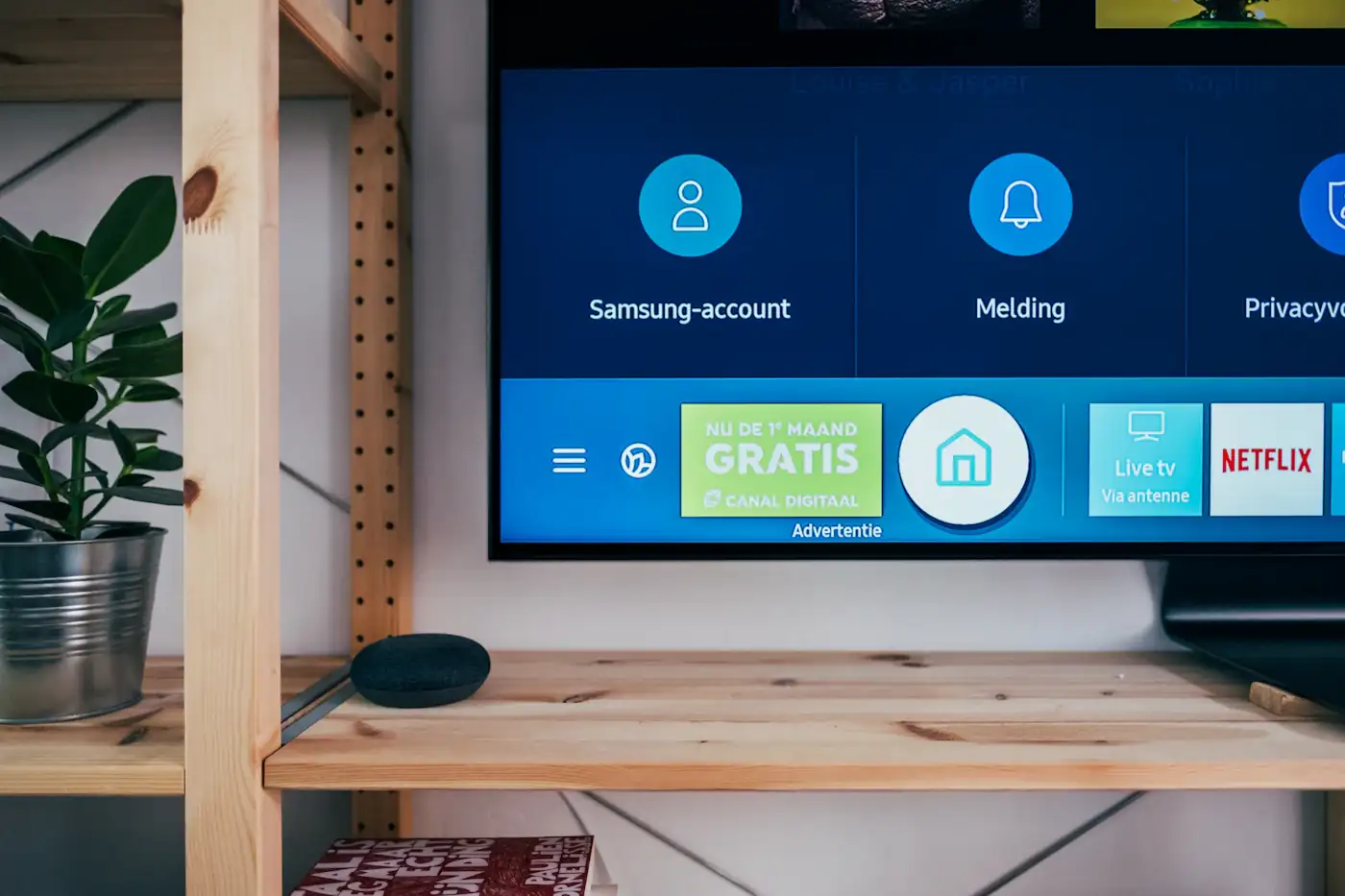
Connected TV advertising refers to ads that appear on internet-connected television screens — smart TVs, streaming devices like Roku and Amazon Fire Stick, and gaming consoles. Your ad appears inside streaming content on platforms like Hulu, Peacock, Paramount+, ESPN+, and dozens more. Unlike digital banner ads, streaming TV ads play in the same premium content environment as traditional television commercials — full screen, with sound, unskippable in most placements. The difference from traditional TV is that every impression is targeted and measurable.
How Is Streaming TV Different from Regular TV Advertising?
Traditional broadcast and cable TV advertising is bought by channel and time slot. You pay for everyone watching a channel during a time period — the vast majority of whom have no interest in your business. Streaming TV advertising is bought by audience. You target specific households by ZIP code, age, income, household composition, purchase behavior, and content viewing patterns. Instead of paying to reach everyone, you pay to reach only the households most likely to become your customers. This targeting precision is what makes streaming TV accessible and effective for local businesses.
How Much Does Streaming TV Advertising Cost?
Streaming TV is typically priced on a CPM basis — cost per thousand impressions. CPMs range from $15 to $35 depending on targeting specificity, platform, and audience size. A campaign reaching 50,000 households at a $25 CPM would cost $1,250. Unlike traditional TV, there are no minimum buys or long-term commitments with programmatic streaming TV. YelloPost recommends a minimum of $1,500/month in media spend for meaningful reach and frequency in most markets. Ad production — scripting, voiceover, and motion graphics — is included in YelloPost's service.
Who Is Streaming TV Advertising Right For?
Streaming TV works best for businesses with a broad local audience — HVAC companies, auto dealerships, healthcare providers, restaurants, real estate agencies, and financial services all perform well. It's particularly powerful for businesses where brand awareness and trust matter as much as immediate conversion — a consumer who's seen your TV spot three times is far more likely to choose you when the need arises. It's less effective for hyper-niche B2B businesses or products with very small addressable audiences.
The Attribution Problem — And How We Solve It
One historical challenge with TV advertising was measurement — you couldn't prove the ad worked. Modern streaming TV solves this with cross-device attribution. When someone sees your streaming TV ad on their living room TV and later searches for your business on their phone or visits your website, that journey is tracked. YelloPost's streaming TV campaigns include attribution reporting that connects TV impressions to website visits, calls, and downstream conversions — something traditional TV advertising never offered.
Streaming TV + Digital: The Multiplier Effect
Streaming TV advertising is most powerful when combined with digital advertising. A consumer sees your TV spot three times, then sees your Google retargeting ad the next day, then finds you at the top of Google when they search for your service. Each touchpoint reinforces the others. Studies consistently show that streaming TV increases the conversion rate of digital advertising campaigns — people who've seen the TV ad convert at significantly higher rates when they encounter the digital ad. YelloPost manages both channels as part of a unified strategy.